Broken Windows, Restored Homes: Why Care Matters
There’s a concept in urban studies known as broken window theory. At its core, it suggests that visible signs of neglect signal that no one is paying attention. When small issues are left unaddressed, neglect tends to spread.
What matters most about this idea isn’t theory at all. It’s the reminder that our surroundings shape how people feel about a place and how connected they feel to one another.
Environment Shapes Behavior
Our built environment sends quiet, constant messages. When a neighborhood shows care through maintained homes, clear sidewalks, working lights, and intentional outdoor spaces, it communicates that the place matters. People tend to respond accordingly. Pride grows. Responsibility follows.
When those signals disappear, the opposite can happen. Deferred maintenance and visible disorder can quietly suggest neglect, even when that isn’t the reality. Over time, that perception affects how people treat a space and how invested they feel in it.
The hopeful part is this: small, visible improvements can interrupt negative cycles. You don’t have to fix everything at once. You just have to start.
What This Means for Historic Neighborhoods
Historic neighborhoods feel this especially strongly. One neglected property can change how an entire block is perceived. The reverse is also true. Visible care can reset expectations and rebuild confidence.
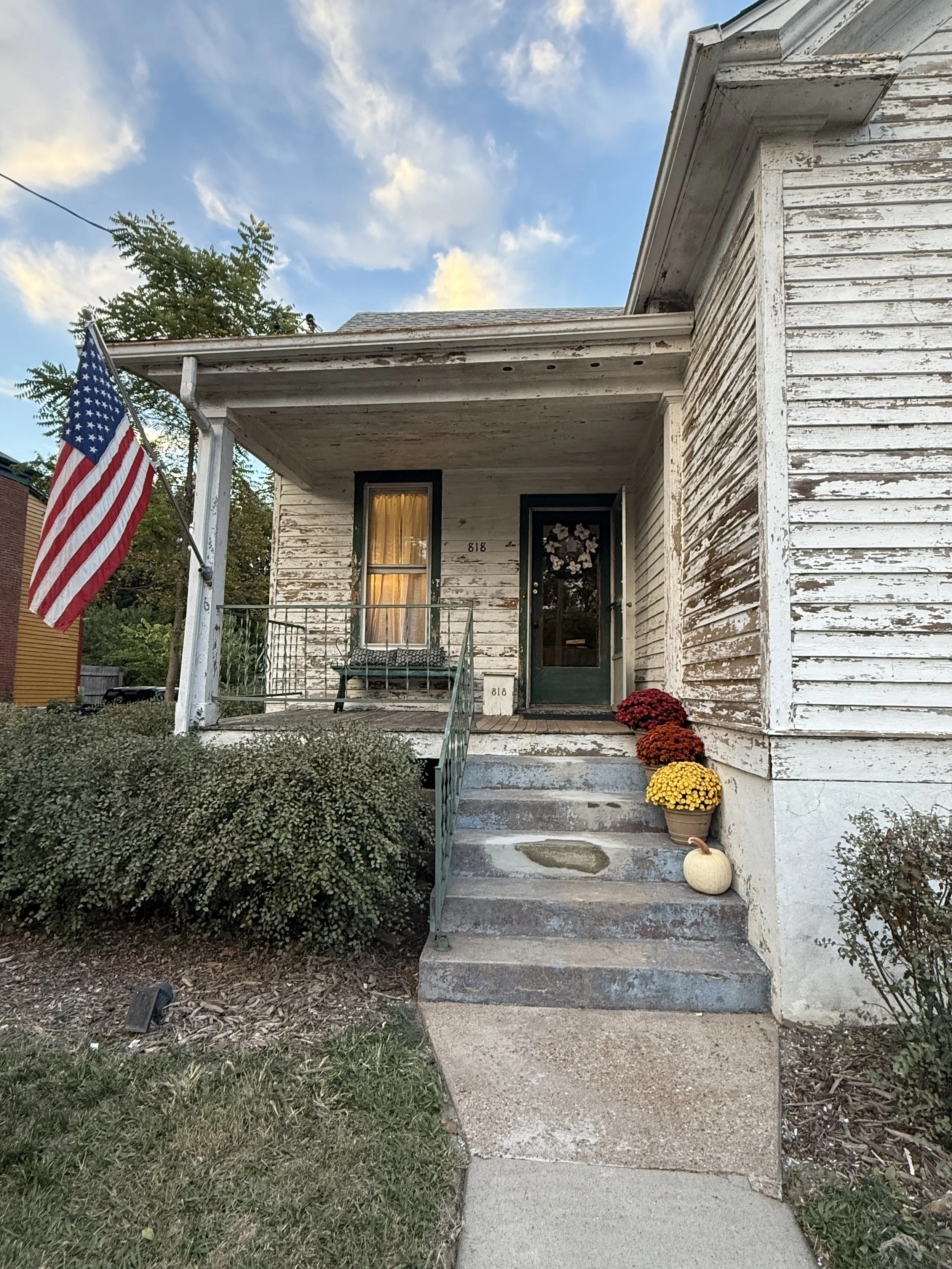
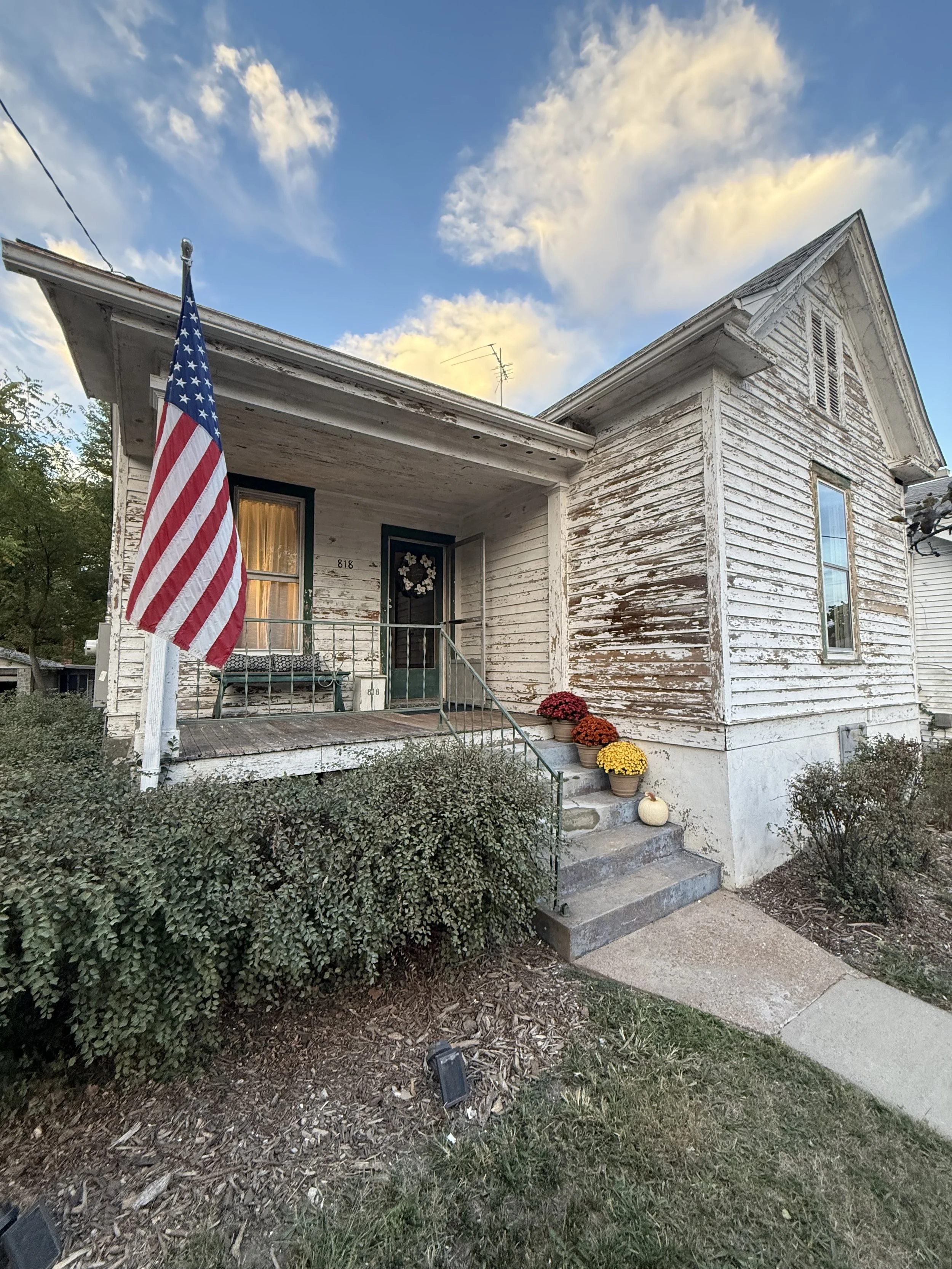
Fixing broken or missing windows. Repairing handrails or porch floors. Addressing cracked or uneven concrete. Clearing sidewalks and front yards of unmanaged overgrowth or debris, while still allowing for intentional landscaping such as native plantings and pollinator gardens. Improving safety and visibility with simple solar lighting. Adding small but visible signals of care, like a flag, a seasonal wreath, or planters near an entry.
These aren’t architectural ideals. They are everyday actions that signal care, intention, and stewardship.
Standards, Support, and Civic Pride
This perspective was reinforced for me recently at the Southwestern Illinois Mayors Council Dinner, where the Mayor of Collinsville, who previously worked in code enforcement for the City of O’Fallon, spoke about the role standards and follow-through play in supporting the overall appearance and health of our communities.
The message was straightforward. When communities are properly supported and resourced, addressing small issues early helps prevent larger, more costly problems later. Used responsibly and with context, these tools reinforce shared expectations and support civic pride.
Small Steps Still Matter
That same philosophy is echoed in the work of Jeff Siegler, founder of Revitalize or Die. Through his writing and appearances on a number of podcasts, Siegler consistently emphasizes momentum over perfection. Start where you are. Focus on what’s visible. Take action.
His work is compelling because it’s practical. Revitalization doesn’t begin with massive redevelopment or sweeping plans. It begins with fixing what’s broken, repairing what’s worn, and restoring what still has value.
Fixing the First Window
There is no shortage of conversation about what is wrong in our communities. What is often missing are clear, achievable ways forward.
At Riverbend Renewal, we believe real change starts with care. Care for our homes, care for our neighborhoods, and care for the people who share them. From there comes accountability and pride. It starts with fixing, repairing, and restoring. Small improvements build confidence. Confidence builds connection. Connection builds community.
That’s why we focus on fixing the first window and encouraging others to fix the next one.
When care becomes visible, momentum follows.
And when people feel connected to a place and to one another, they begin to believe in its future again.
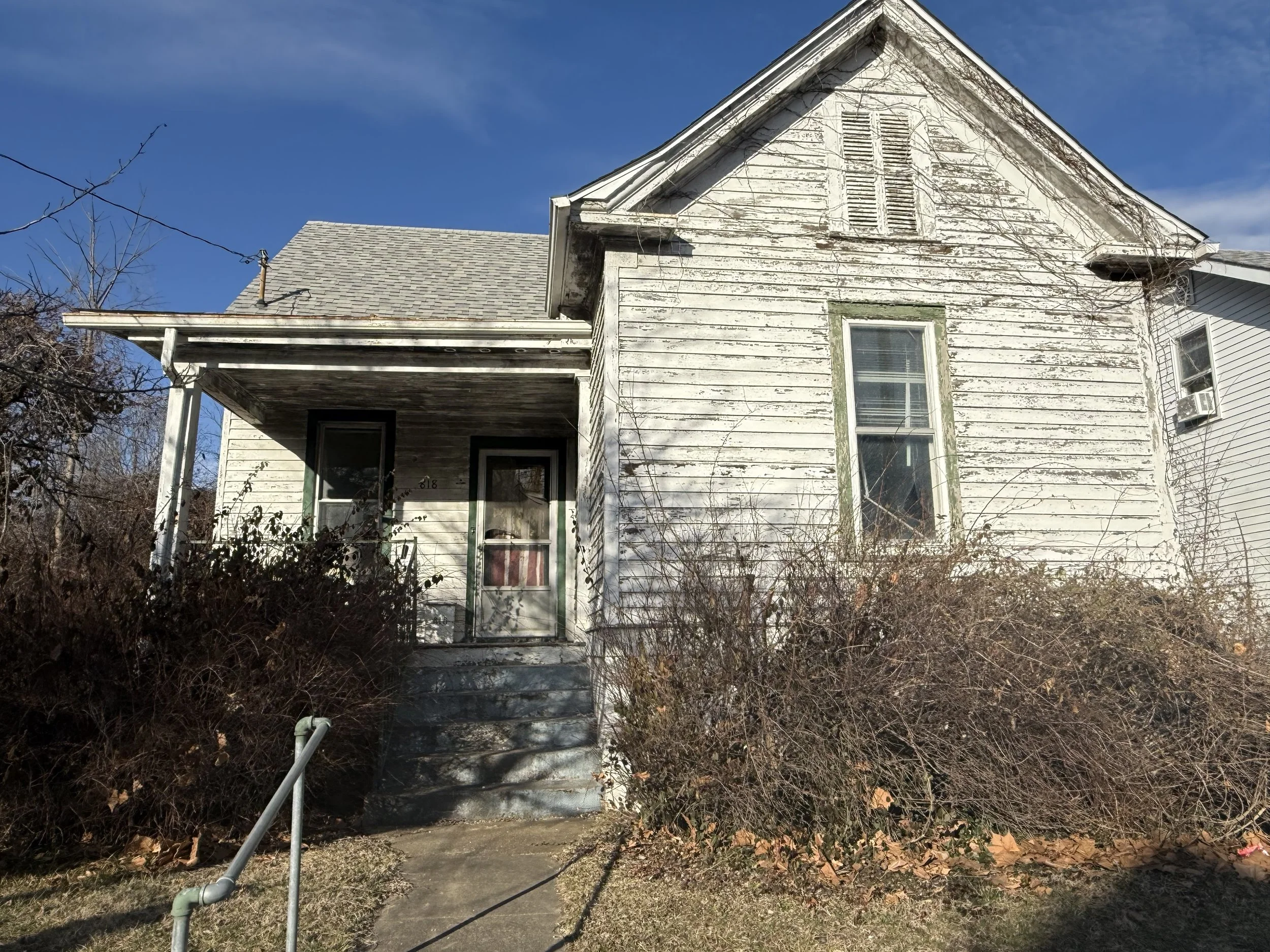
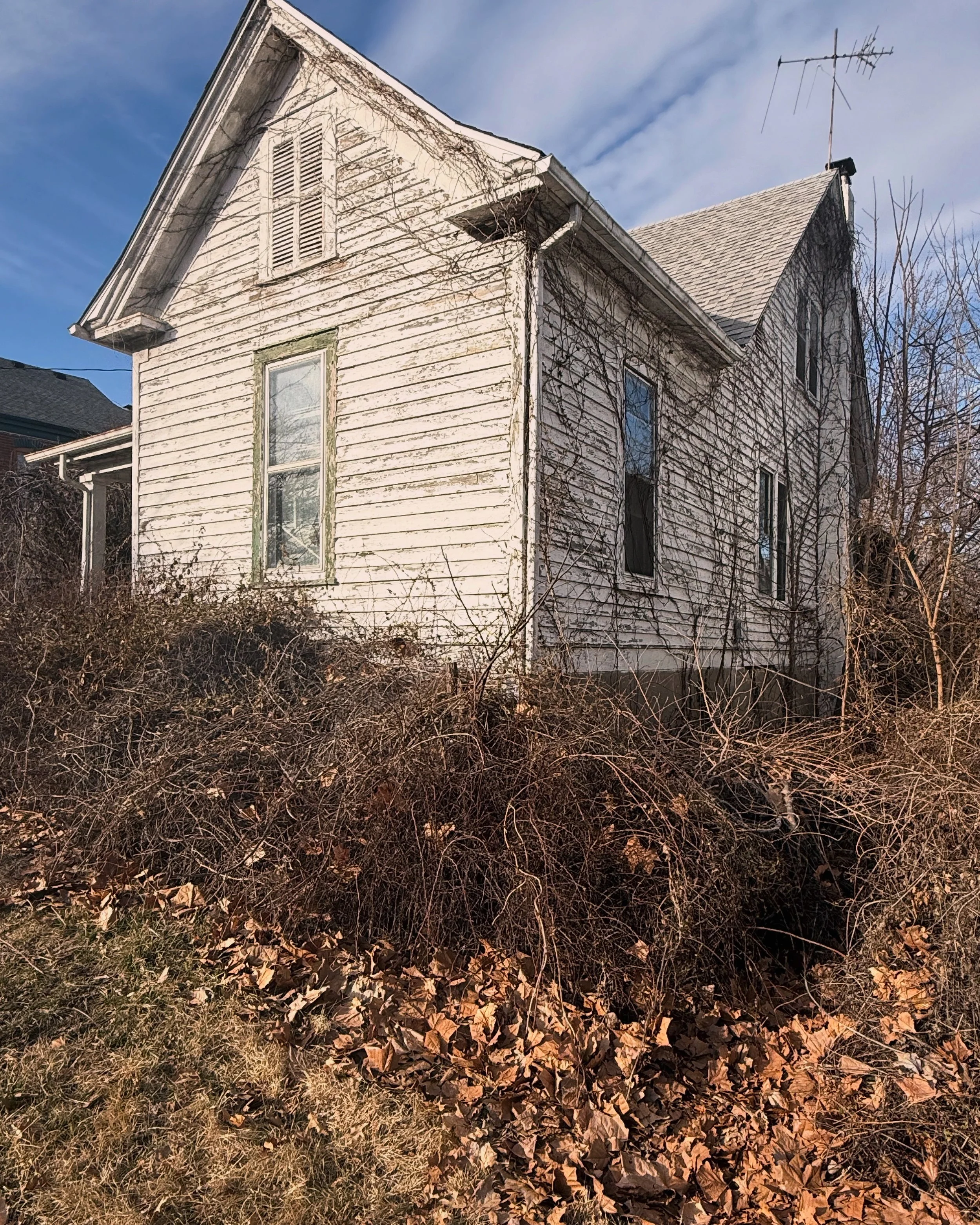
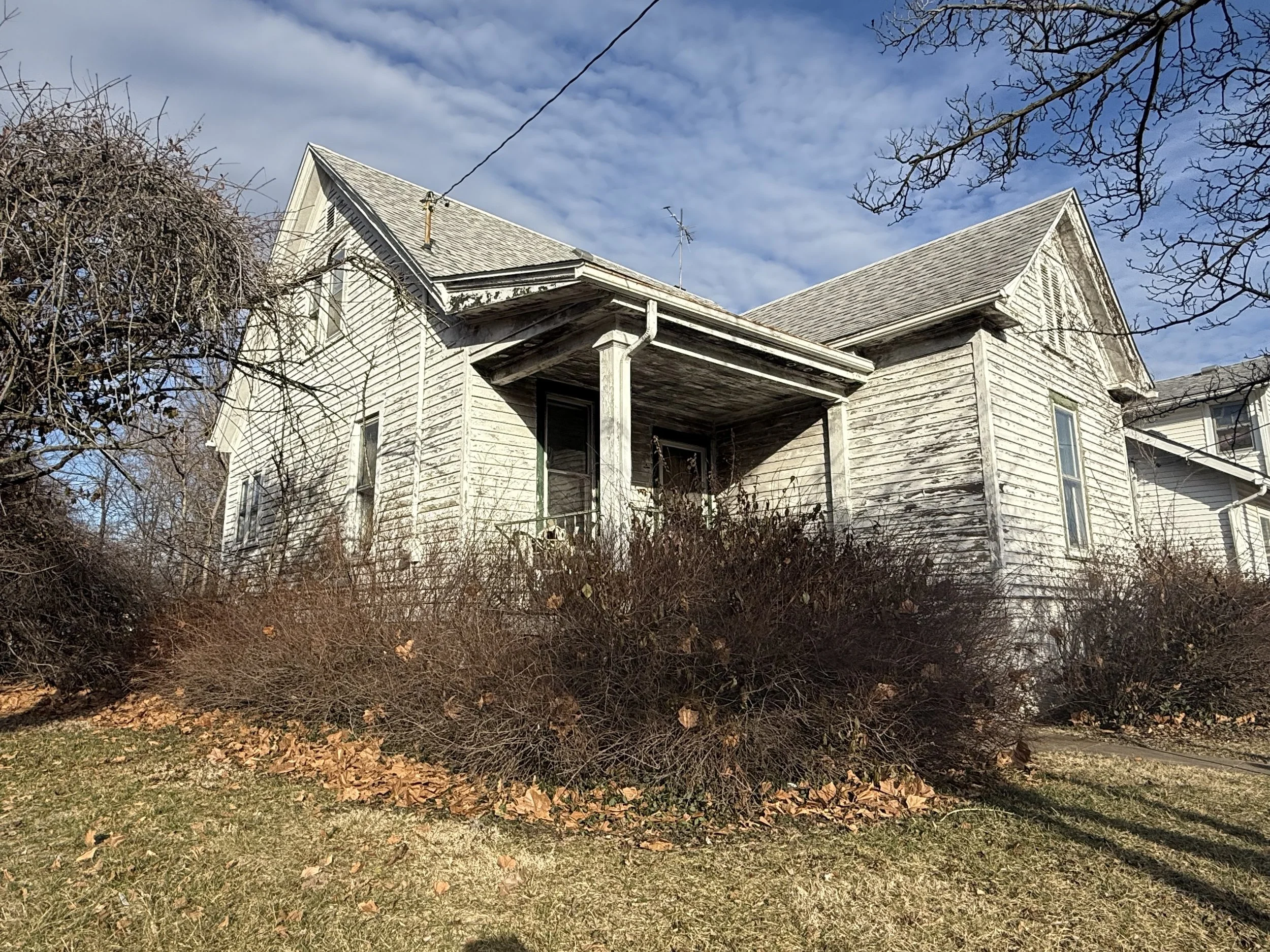
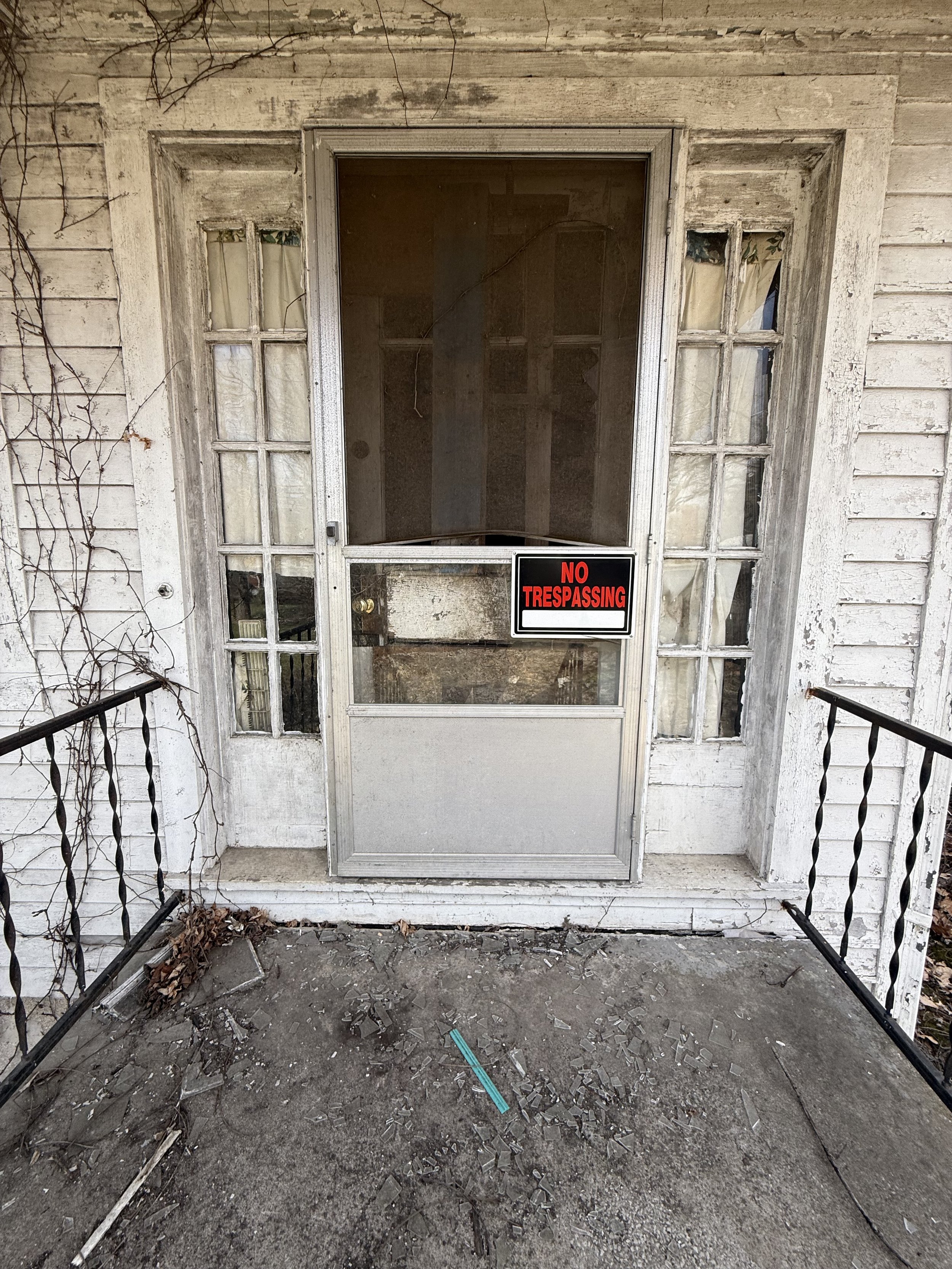
“Union Street Cottage” Before and After Photos
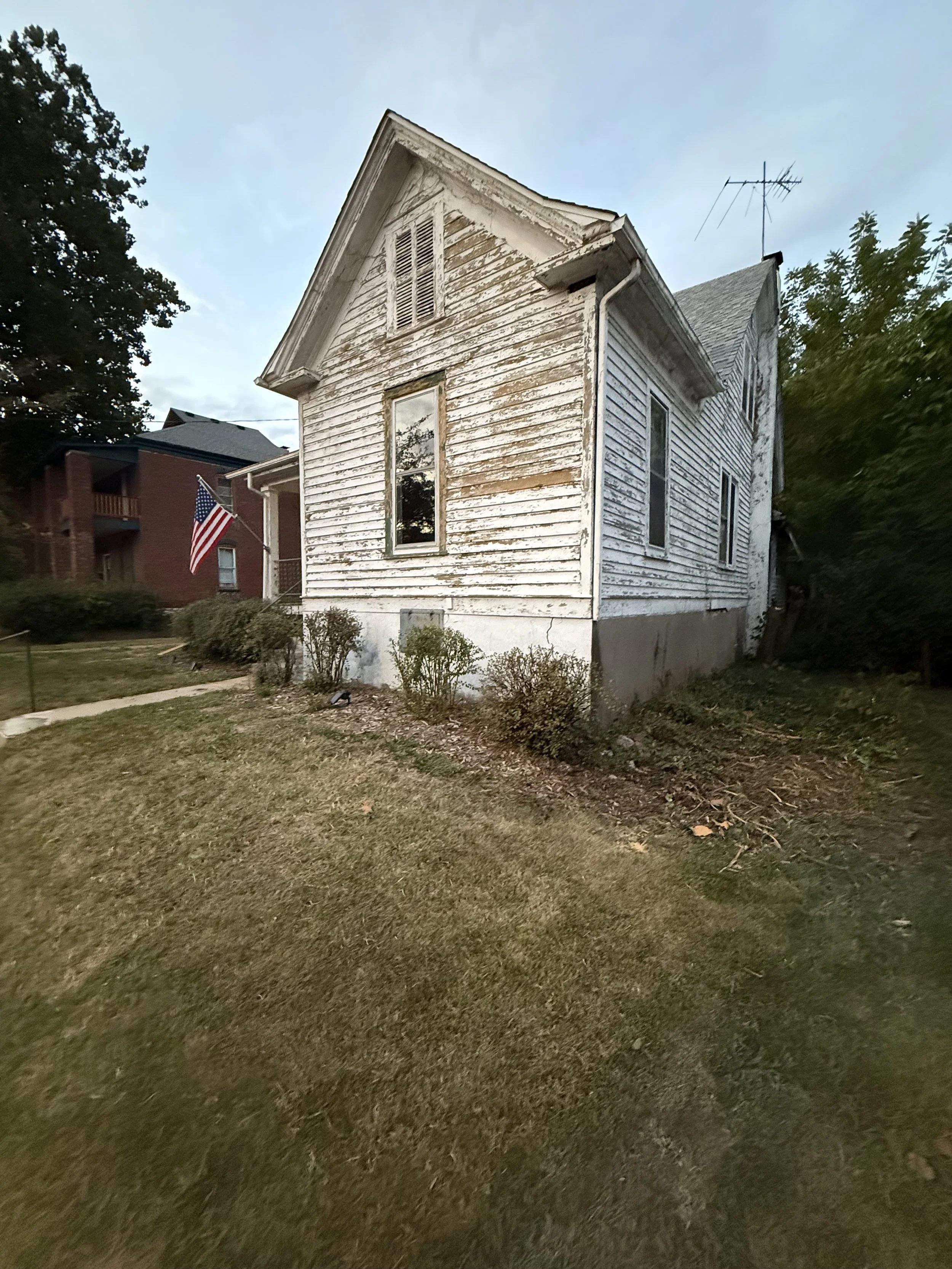
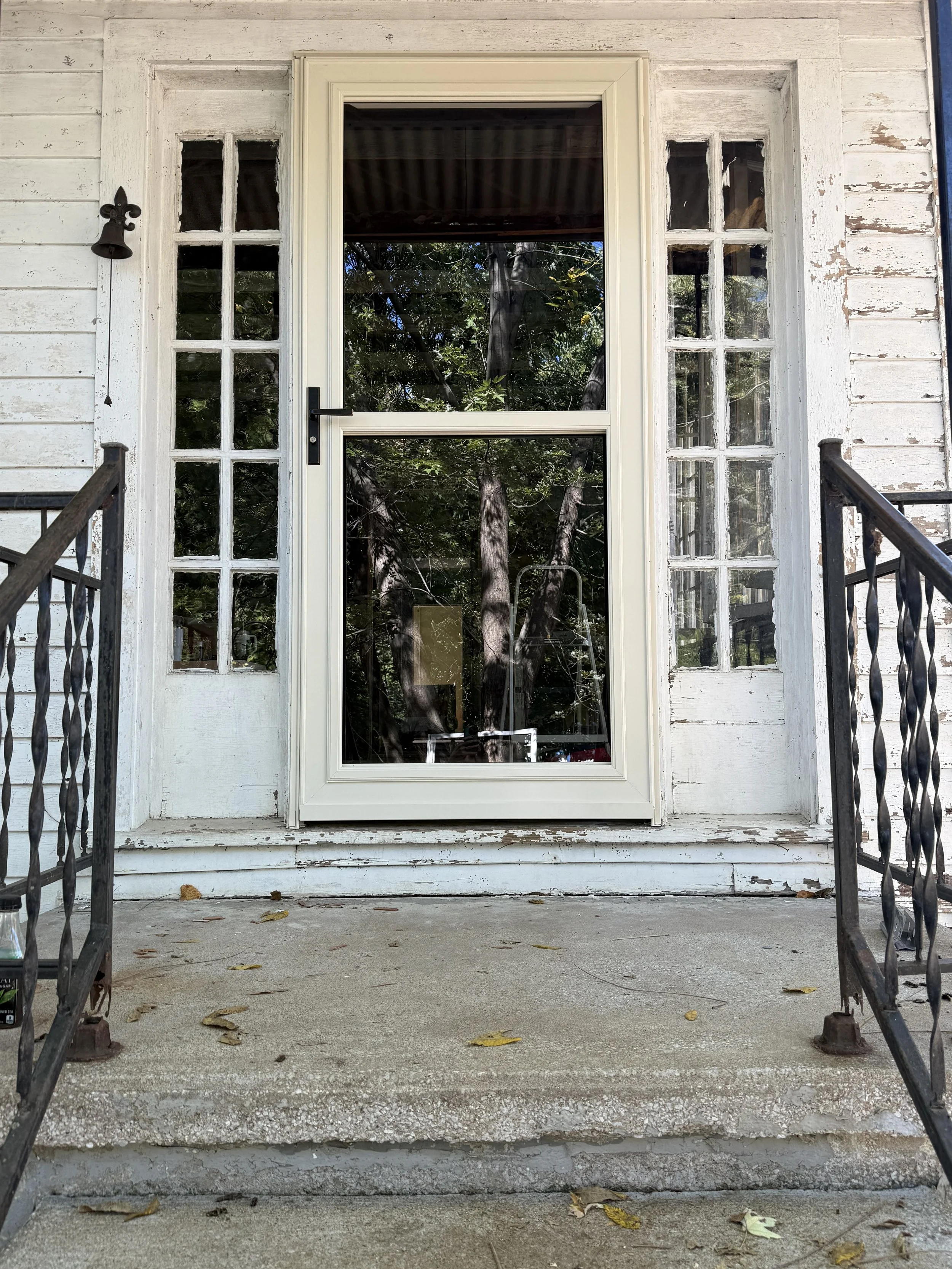
These photos are examples of small improvements made to a local property to improve curb appeal while restoration efforts are underway.
Follow the progress: Historic Hargiss House (@union_street_cottage) • Instagram photos and videos